


Diptera.info :: Identification queries :: Diptera (adults)
Page 1 of 2: 12
|
 Myopa vicaria
|
|
| Christine Devillers |
Posted on 04-03-2008 22:25
|
 Member Location: Spa, Belgium Posts: 1215 Joined: 11.11.07 |
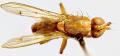
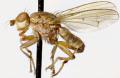
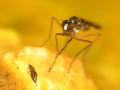
I found this Myopa near nests of Andrena clarkella (3/3/2008, Spa, Belgium, bad weather very cold:8?C). Size : 11 mm from head to end of the wings. Could it be M.tessellatipennis? They were three Andrena clarkella with a cut and empty abdomen. Could it be in relation with the Myopa? Christine Devillers attached the following image: 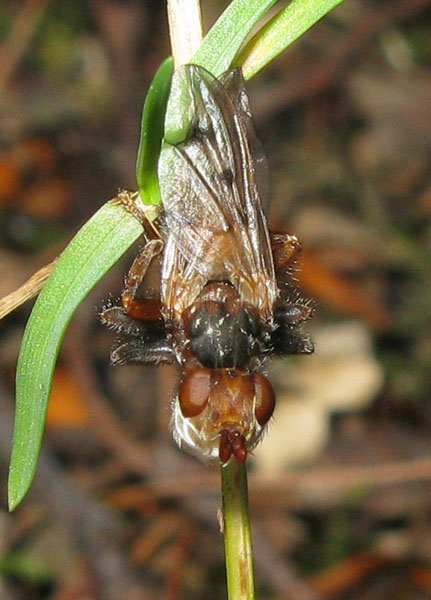 [79.07Kb] Edited by Christine Devillers on 08-03-2008 22:33 |
|
|
|
| Christine Devillers |
Posted on 04-03-2008 22:26
|
|
Member Location: Spa, Belgium Posts: 1215 Joined: 11.11.07 |
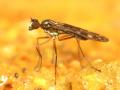
pic 2
Christine Devillers attached the following image: 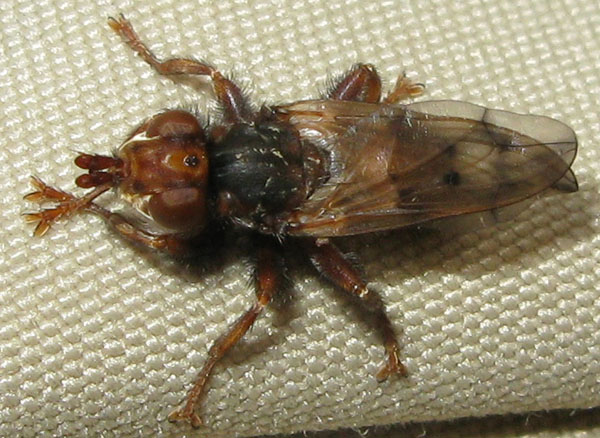 [103.59Kb] |
|
|
|
| Christine Devillers |
Posted on 04-03-2008 22:39
|
|
Member Location: Spa, Belgium Posts: 1215 Joined: 11.11.07 |
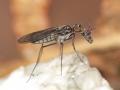
pic 3
Christine Devillers attached the following image: 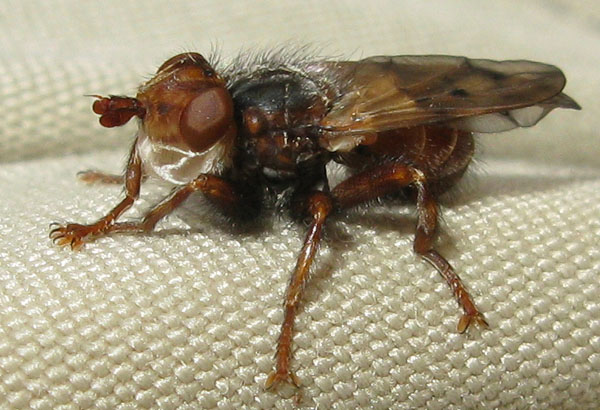 [91.14Kb] |
|
|
|
| Christine Devillers |
Posted on 04-03-2008 22:40
|
|
Member Location: Spa, Belgium Posts: 1215 Joined: 11.11.07 |
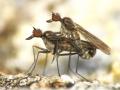
pic 4
Christine Devillers attached the following image: 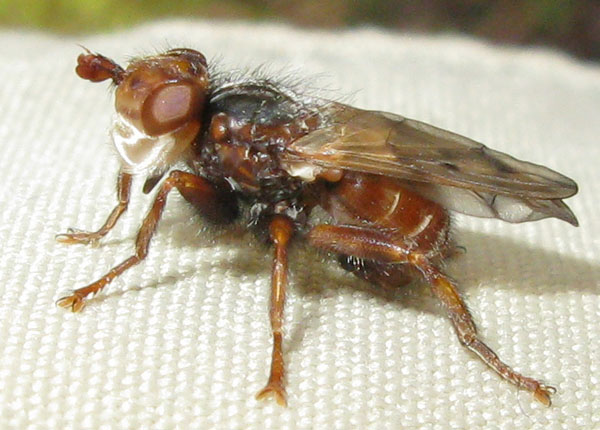 [82.25Kb] |
|
|
|
| Christine Devillers |
Posted on 04-03-2008 22:41
|
|
Member Location: Spa, Belgium Posts: 1215 Joined: 11.11.07 |
pic 5
Christine Devillers attached the following image: 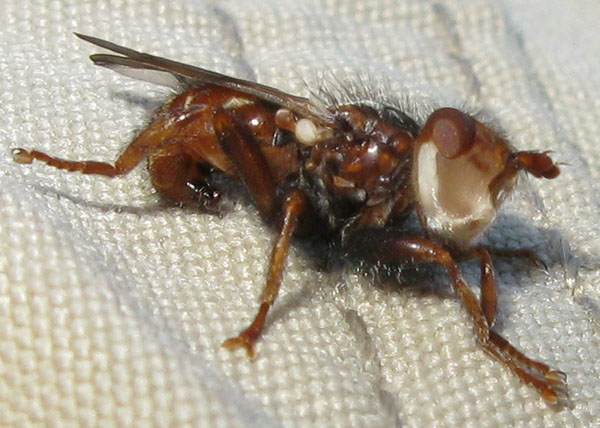 [87.05Kb] |
|
|
|
| Christine Devillers |
Posted on 04-03-2008 22:42
|
|
Member Location: Spa, Belgium Posts: 1215 Joined: 11.11.07 |
pic 6
Christine Devillers attached the following image: 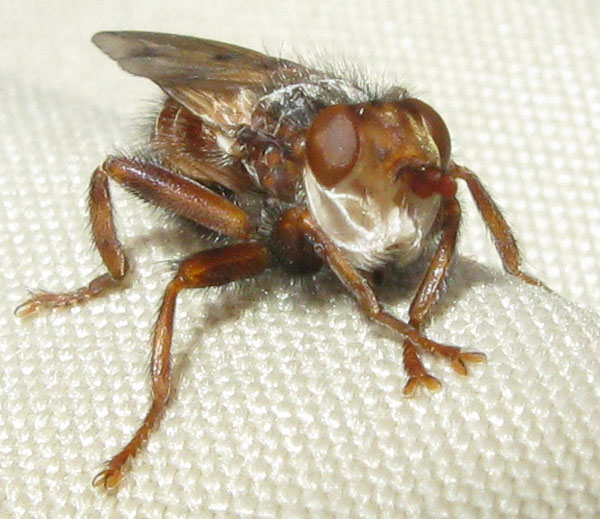 [96.53Kb] |
|
|
|
| Christine Devillers |
Posted on 04-03-2008 22:44
|
|
Member Location: Spa, Belgium Posts: 1215 Joined: 11.11.07 |
Andrena clarkella (near nests) with cut abdomen
Christine Devillers attached the following image: 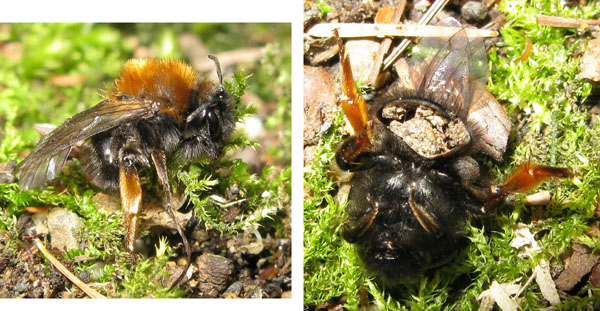 [104.32Kb] |
|
|
|
| Andre |
Posted on 05-03-2008 00:40
|
 Member Location: Tilburg, the Netherlands Posts: 2111 Joined: 18.07.04 |
Wow, this is great! I never heard of a recording like this before... I sent it to an Andrena specialist. Looking at the long erect hairs on the tip of the abdomen, I think the Myopa is vicaria, but I am not sure. Vicaria is an extremely early species, even if 3/3 is very early indeed. Would need a specimen in hand to make a certain ID on this species. |
 |
|
| jorgemotalmeida |
Posted on 05-03-2008 11:55
|
 Member Location: Viseu - PORTUGAL Posts: 9296 Joined: 05.06.06 |
Myopa are always awesome.  I think they are the only genus that can support cold temperatures among the conopids. I think they are the only genus that can support cold temperatures among the conopids. I will seek carefully for bees/wasps. |
|
|
|
| Christine Devillers |
Posted on 05-03-2008 12:22
|
|
Member Location: Spa, Belgium Posts: 1215 Joined: 11.11.07 |
Thank you When I found the Andrena, they were still alive. The legs moved very slowly. Edited by Christine Devillers on 05-03-2008 12:26 |
|
|
|
| Andre |
Posted on 05-03-2008 12:50
|
|
Member Location: Tilburg, the Netherlands Posts: 2111 Joined: 18.07.04 |
Interesting... the Andrena must have been infested one year earlier! |
|
|
|
| jhstuke |
Posted on 05-03-2008 14:46
|
|
Member Location: Leer, Germany Posts: 147 Joined: 06.06.07 |
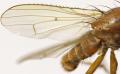
The picture could show Myopa tessellatipennis - for a sfe identification I would need a better picture of the wing. I would be very surprised if it turns out that the Myopa emerged from those bees. But this should be easily to proof - there will be the exuvium within the abdomen of the Andrena if the Myopa emerged. Jens-Hermann |
|
|
|
| Christine Devillers |
Posted on 06-03-2008 18:45
|
|
Member Location: Spa, Belgium Posts: 1215 Joined: 11.11.07 |
Does these others photos of the wings help ? What features do you try to see ? Today, the Myopa was nearly at trhe same place. Weather very cold (4?C), and - 5?C during the night. The night after I found it, it began to snow (10cm) and yesterday the snow was still there. For the Andrena clarkella, you are right, there are no exuvium within the abdomen. An idea of what could happened to them ? Christine Devillers attached the following image: 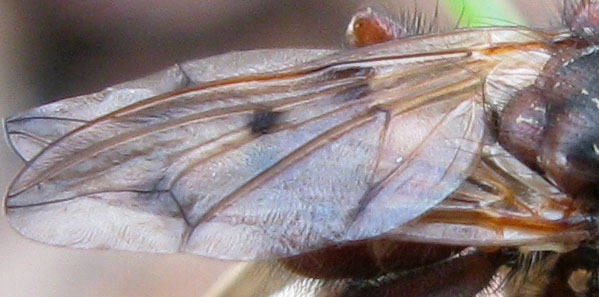 [62.18Kb] |
|
|
|
| Christine Devillers |
Posted on 06-03-2008 18:46
|
|
Member Location: Spa, Belgium Posts: 1215 Joined: 11.11.07 |
wings 2
Christine Devillers attached the following image: 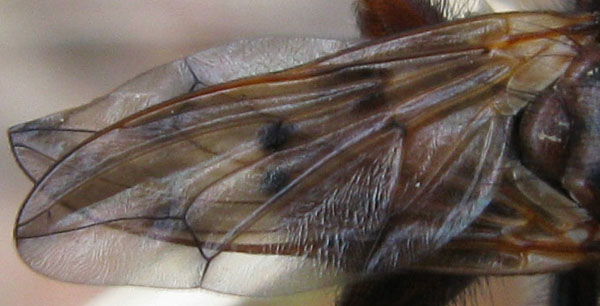 [57.64Kb] |
|
|
|
| Christine Devillers |
Posted on 06-03-2008 18:48
|
|
Member Location: Spa, Belgium Posts: 1215 Joined: 11.11.07 |
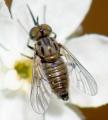
Andrena clarkella
Christine Devillers attached the following image: 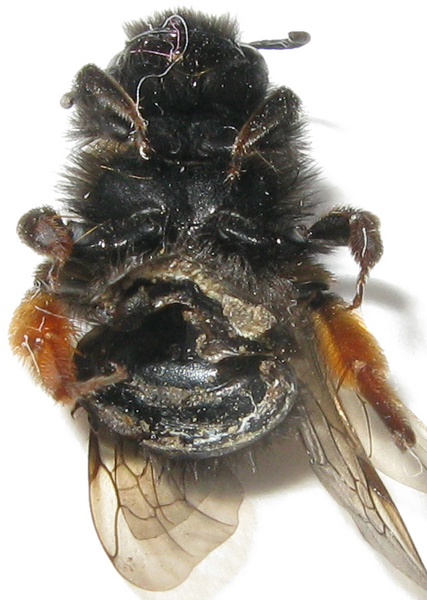 [149.97Kb] |
|
|
|
| jorgemotalmeida |
Posted on 06-03-2008 18:59
|
|
Member Location: Viseu - PORTUGAL Posts: 9296 Joined: 05.06.06 |
is it possible that exuvium fall in the ground? |
|
|
|
| jhstuke |
Posted on 06-03-2008 20:02
|
|
Member Location: Leer, Germany Posts: 147 Joined: 06.06.07 |
It is realy M. tessellatipennis. At the attached picture you can see the differences between wings of the tesacea group (fig. 1) and the polystigma group (fig. 2). The wing of your fly belongs to the polystigma group and then it has to be tessellatipennis. There has been just been published a revision of the tesacea group at Zootaxa where the identification is discussed in detail. I would exspect the exuvium in the broken tip of the abdomen that cannot be seen at photo. Jens-Hermann jhstuke attached the following image: 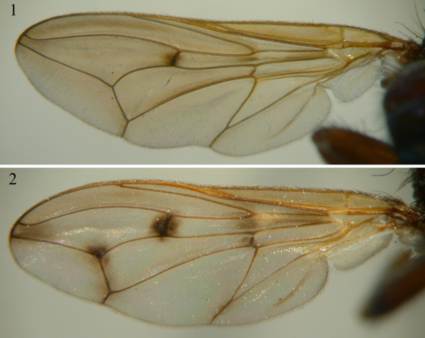 [14.74Kb] |
|
|
|
| Zeegers |
Posted on 06-03-2008 20:40
|
|
Member Location: Soest, NL Posts: 19310 Joined: 21.07.04 |
Jens-Hermann, what about vicaria ? Is it testacea group or polystigma group ? Theo |
|
|
|
| Philippe moniotte |
Posted on 07-03-2008 09:35
|
 Member Location: Heron, Belgium Posts: 865 Joined: 14.10.05 |
Christine Devillers wrote: I found this Myopa near nests of Andrena clarkella (3/3/2008, Spa, Belgium, bad weather very cold:8?C). Size : 11 mm from head to end of the wings. Could it be M.tessellatipennis? They were three Andrena clarkella with a cut and empty abdomen. Could it be in relation with the Myopa? Hello Christine From my limited experience, this would be typical of predation by a Cicindelidae. Sounds early, but have you seen any yet this year in that neighbourhood ? Philippe |
|
|
|
| Christine Devillers |
Posted on 07-03-2008 21:28
|
|
Member Location: Spa, Belgium Posts: 1215 Joined: 11.11.07 |
Thanks Philippe, I haven't yet see Cicindelidae, but I'll be careful. |
|
|
|
Page 1 of 2: 12
| Jump to Forum: |