


Diptera.info :: Identification queries :: Diptera (adults)
 Scathophagidae? Fucelliinae? Any tips on separating these two?
|
|
| Wog |
Posted on 06-02-2008 17:06
|
|
Member Location: Posts: 6 Joined: 22.01.08 |
Hi there folks, I've been going through some invert samples recently and have run into some potential issues concerning the identification of some muscoid diptera. The vast majority key out very nicely into the Scathophagidae, and I'm quite certain of their identity. However, the occasional individual arises that it identical in its characters, but the facial bristles are somewhat more elongate, and if you look very closely under the microscope, there are minute tips of bristles poking through on the frons. These aren't visible to the naked eye and are just barely visible under 50x magnification when viewed at the right angle. Now, the key I have ends up at Scathophagidae and Anthomyiidae (Fucelliinae) and separates them by "strong inclinate interfrontal bristles" that are possessed by the Anthomyiids only. These are hardly strong or inclinate, but there is a bit of something there just poking through somewhat on the frons. I have read elsewhere that the frons in Scathophagidae is always bare, so I'm not exactly sure what to think. So, what I'm asking I suppose is whether or not anyone here has any tips on separating these two groups? These guys may very well all be Scathophagids, but I'd like to be certain. The samples were collected at a coastal site in Northern Hudson Bay in Arctic Canada during June and July 2006. I'm afraid I don't currently have access to a camera capable of taking clear macro shots, but if I can come up with one I'll see about putting up some photos. The eyes are widely spaced in all individuals, and the wing venation is identical to the Scathophagids. They pretty much just have longer bristles and have an overall more bristley look to them. Any tips would be greatly appreciated. Cheers ~Paul Woodard |
|
|
|
| John Bratton |
Posted on 07-02-2008 17:22
|
|
Member Location: Menai Bridge, North Wales, UK Posts: 670 Joined: 17.10.06 |
Pick a male specimen and look at the base of the hind femora. If it has a prominent lump with bristles on, it is a Fucellia. If it hasn't got a lump, that doesn't help much. It might be a scathophagid, or it might be a Fucellia that doesn't have lumps. I'm not sure if all members of the genus have this character. Two of the three British species do, and its shape is charactersistic of the species, but I'm not sure about the third, and you probably have more species in Canada. John Bratton Menai Bridge Wales John Bratton |
|
|
|
| Wog |
Posted on 13-02-2008 21:19
|
|
Member Location: Posts: 6 Joined: 22.01.08 |
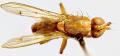
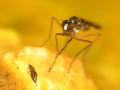
Thanks for the tip. I haven't noticed any lumps thus far, but will keep my eyes open in the future. Here are some photos of the samples described above. Both are quite fuzzy, although this one (Sample "A" ) is much more so, has longer facial bristles and has more prominent interfrontal bristles poking through. Wog attached the following image: 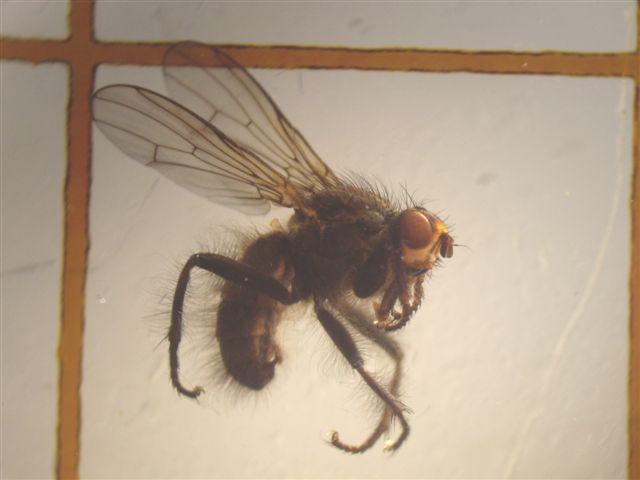 [34.5Kb] |
|
|
|
| Wog |
Posted on 13-02-2008 21:21
|
|
Member Location: Posts: 6 Joined: 22.01.08 |
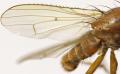
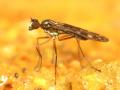
Although hard to see in the photo, you can make out some bristles poking through on the frons. These are quite long in some, shorter in others.
Wog attached the following image: 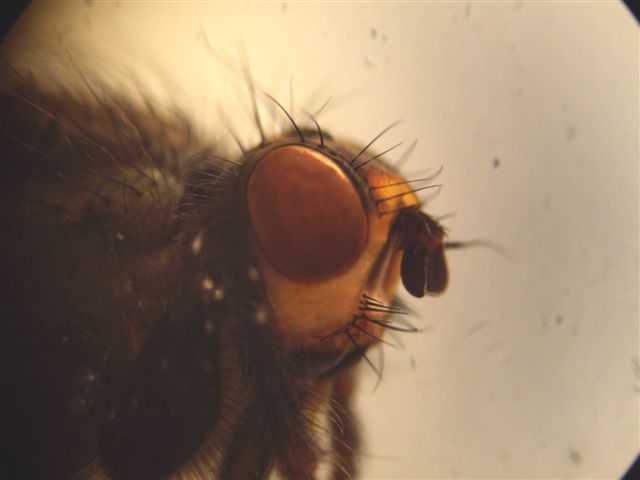 [29.06Kb] |
|
|
|
| Wog |
Posted on 13-02-2008 21:23
|
|
Member Location: Posts: 6 Joined: 22.01.08 |
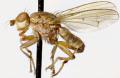
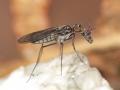
These guys are are still quite fuzzy, but with shorter setulae. The frons tends to be free of noticeable bristles.
Wog attached the following image: 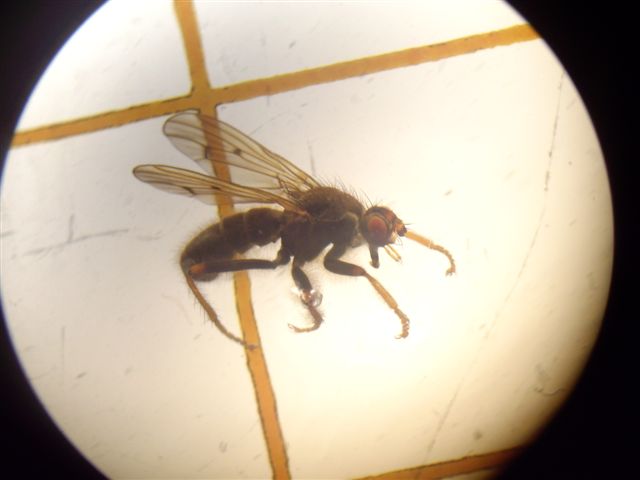 [30.44Kb] |
|
|
|
| Wog |
Posted on 13-02-2008 21:25
|
|
Member Location: Posts: 6 Joined: 22.01.08 |
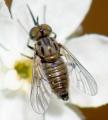
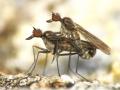
Close up of Sample "B"
Wog attached the following image:  [27.91Kb] |
|
|
|
| Wog |
Posted on 13-02-2008 21:29
|
|
Member Location: Posts: 6 Joined: 22.01.08 |
Keep in mind that these are preserved specimens, so colour likely isn't a very useful feature. I'm not sure if one is Antho and the other Scatho, or if they're both the same family, and if so - which? I haven't been able to find any reference material indicating a clear difference between the two families, so any opinions/tips are welcome  Cheers Edited by Wog on 13-02-2008 21:30 |
|
|
|
| Jump to Forum: |