


Diptera.info :: Identification queries :: Diptera (adults)
Who is here? 1 guest(s)
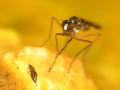
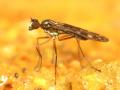
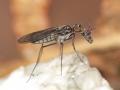
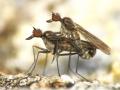
 Phaonia fuscata, Muscidae, Hungary, May 2007
|
|
| Xespok |
Posted on 05-01-2008 17:56
|
 Member Location: Debrecen, Hungary Posts: 5551 Joined: 02.03.05 |
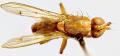
The female.
Xespok attached the following image: 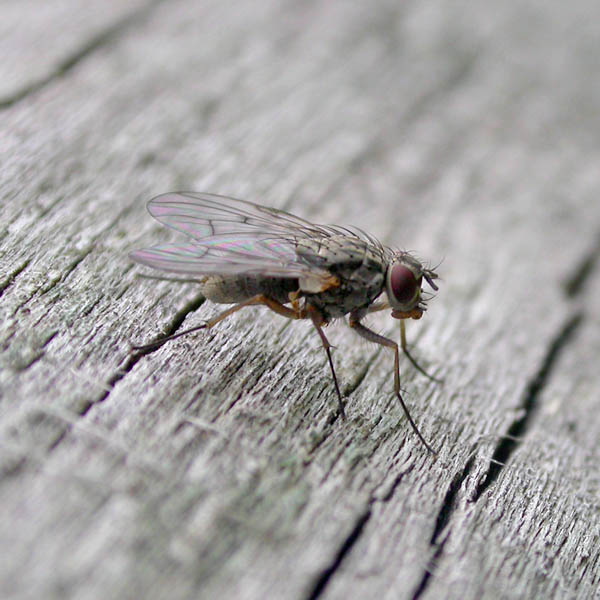 [93.4Kb] Edited by Xespok on 11-01-2008 21:27 Gabor Keresztes Japan Wildlife Gallery Carpathian Basin Wildlife Gallery |
 |
|
| Xespok |
Posted on 05-01-2008 17:57
|
|
Member Location: Debrecen, Hungary Posts: 5551 Joined: 02.03.05 |
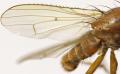
Another view.
Xespok attached the following image: 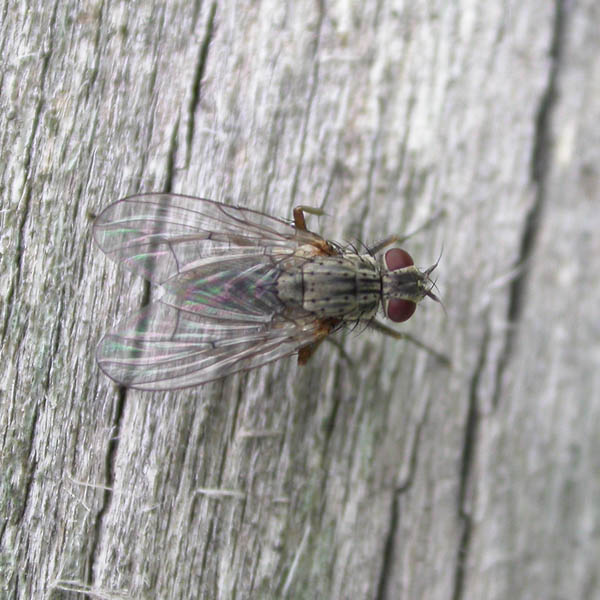 [101.9Kb] Gabor Keresztes Japan Wildlife Gallery Carpathian Basin Wildlife Gallery |
|
|
|
| Xespok |
Posted on 05-01-2008 17:57
|
|
Member Location: Debrecen, Hungary Posts: 5551 Joined: 02.03.05 |
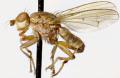
The male at the same location.
Xespok attached the following image: 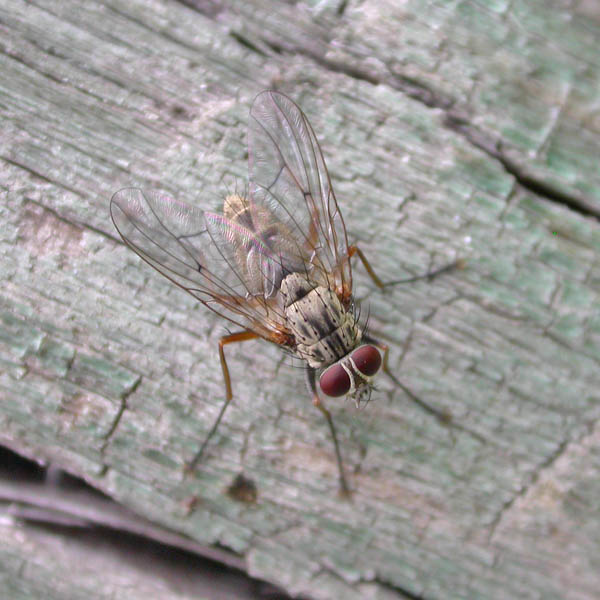 [93.84Kb] Gabor Keresztes Japan Wildlife Gallery Carpathian Basin Wildlife Gallery |
|
|
|
| Xespok |
Posted on 05-01-2008 18:01
|
|
Member Location: Debrecen, Hungary Posts: 5551 Joined: 02.03.05 |
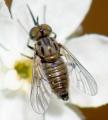
Another male.
Xespok attached the following image: 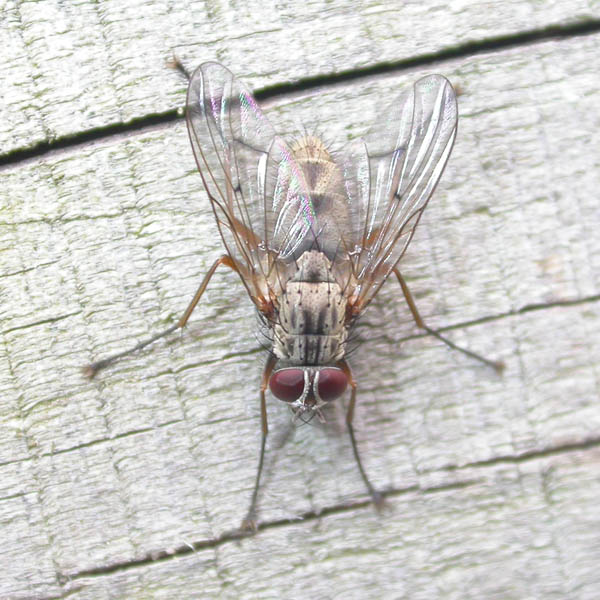 [115.12Kb] Gabor Keresztes Japan Wildlife Gallery Carpathian Basin Wildlife Gallery |
|
|
|
| Stephane Lebrun |
Posted on 05-01-2008 18:17
|
 Member Location: Le Havre, France Posts: 8248 Joined: 03.03.07 |
The cross-veins are not so infuscated, but I think they are male and female of Phaonia fuscata.
Stephane. |
|
|
|
| Xespok |
Posted on 05-01-2008 19:06
|
|
Member Location: Debrecen, Hungary Posts: 5551 Joined: 02.03.05 |
They certainly look like P. fuscata at galerie-inssecte.org. Should this species have not a plumose arista? In my images this is not visible, but the plumosity often is quite difficult to judge Otherwise the description fits well, except the strength of the infuscation as noted by you. But this means that a Ph. fuscata determined earlier by Nikita can not be right. Gabor Keresztes Japan Wildlife Gallery Carpathian Basin Wildlife Gallery |
|
|
|
| Stephane Lebrun |
Posted on 06-01-2008 00:18
|
|
Member Location: Le Havre, France Posts: 8248 Joined: 03.03.07 |
The poor quality linked picture is mine. It's a collected and in due form identified specimen. However, it doesn't mean your flies do are the same species. On photographs, some details cannot be checked, like fine pilosity of notopleuron and other characters. I'm pretty sure of the male ; all seems correct : long legs, frons width, chaetotaxy of scutum, even the typical middle row of triangular spots on abdomen...and typically found like this on tree barks. I am more doubting about the female, because the crossveins should be more shaded. Edited by Stephane Lebrun on 06-01-2008 00:19 Stephane. |
|
|
|
| Xespok |
Posted on 06-01-2008 16:15
|
|
Member Location: Debrecen, Hungary Posts: 5551 Joined: 02.03.05 |
I think my images show one species. Several males and females were active on some tree trunks at the time of the photo. I should have the collected specimens as well, if I ever will be able to get my collection sorted out. (I hope to improve in maintaining my collection this year, I learnt a lot of things what and how not to do in the first year.) Furthermore I think your image and my images (not all of them posted here) show the same species. I do not generally think that there are many very similar flies that would key out at completely different locations. My impression is that the various Phaonia flies are not very similar to each other, probably not more similar than for example bird species within a genus. Many of the characteristics get however lost in stored specimens. In fact the best field characterstics seem to get lost. Colors tend to fade and darken, the stance of the fly may not be retained etc. Therefore existing keys rely on some stable but relatively insignificant characteristics, such as the number of setae on varius veins, etc. Look up a key for some passerine bird genera from the 19th century, you'll realize what I talk about. Birds that are sometimes very easy to recognize are separated by keys that are very difficult to use even by experienced birders. Gabor Keresztes Japan Wildlife Gallery Carpathian Basin Wildlife Gallery |
|
|
|
| Jump to Forum: |