Gallery Links
Users Online
· Guests Online: 35

· Members Online: 0

· Total Members: 5,077
· Newest Member: Cotinis
Forum Threads
Theme Switcher
Switch to:
Last Seen Users
· Juergen Peters00:43:15
· weia00:47:48
· libor02:11:58
· ViktorNebenf...02:13:37
· Waldgeist04:16:42
· Volker04:47:05
· smol05:05:51
· Haleun06:15:48
· Jfdocampo06:20:26
· evdb06:44:51
Latest Photo Additions
View Thread
Diptera.info :: Identification queries :: Diptera (adults)
 Print Thread
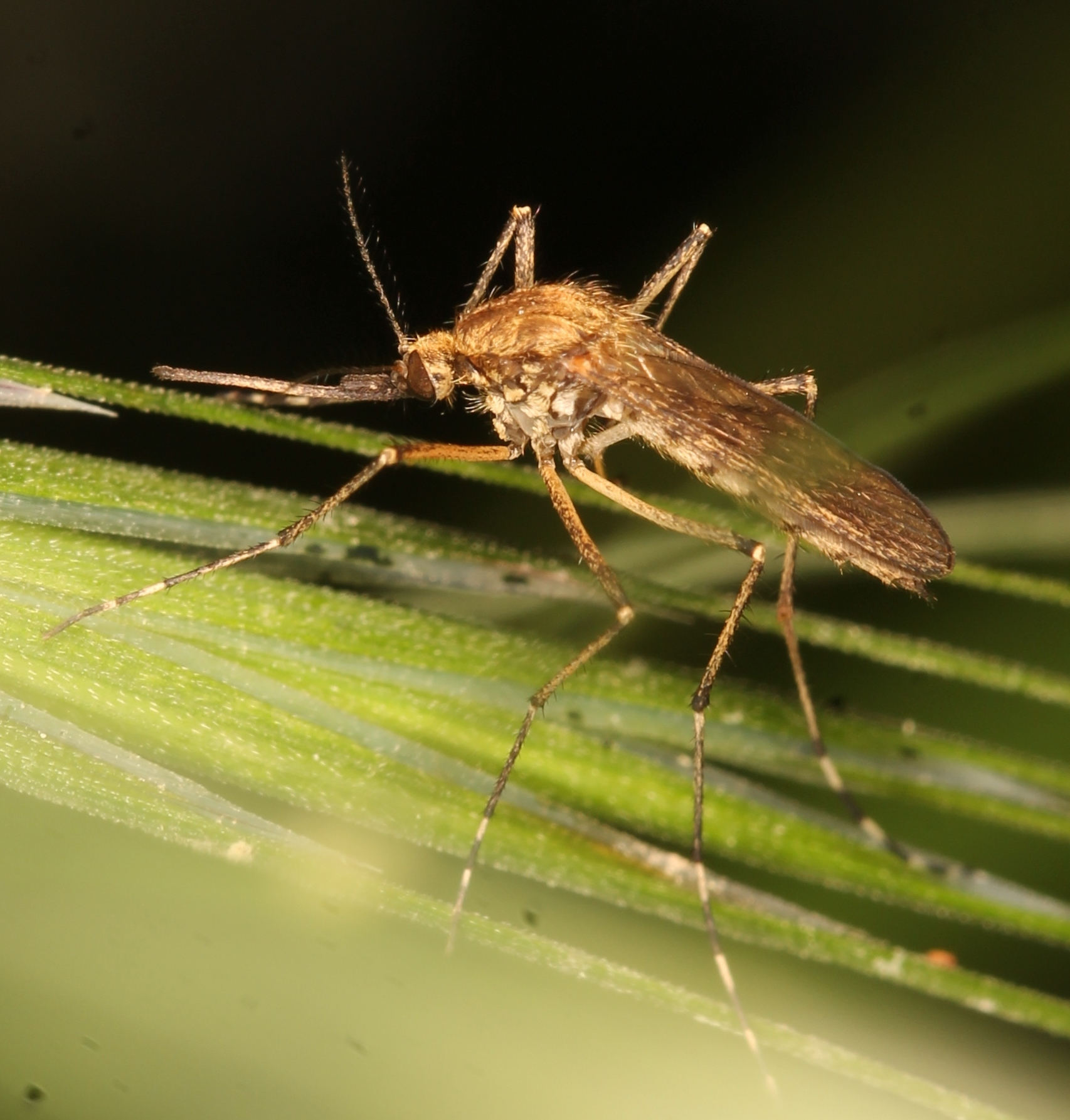
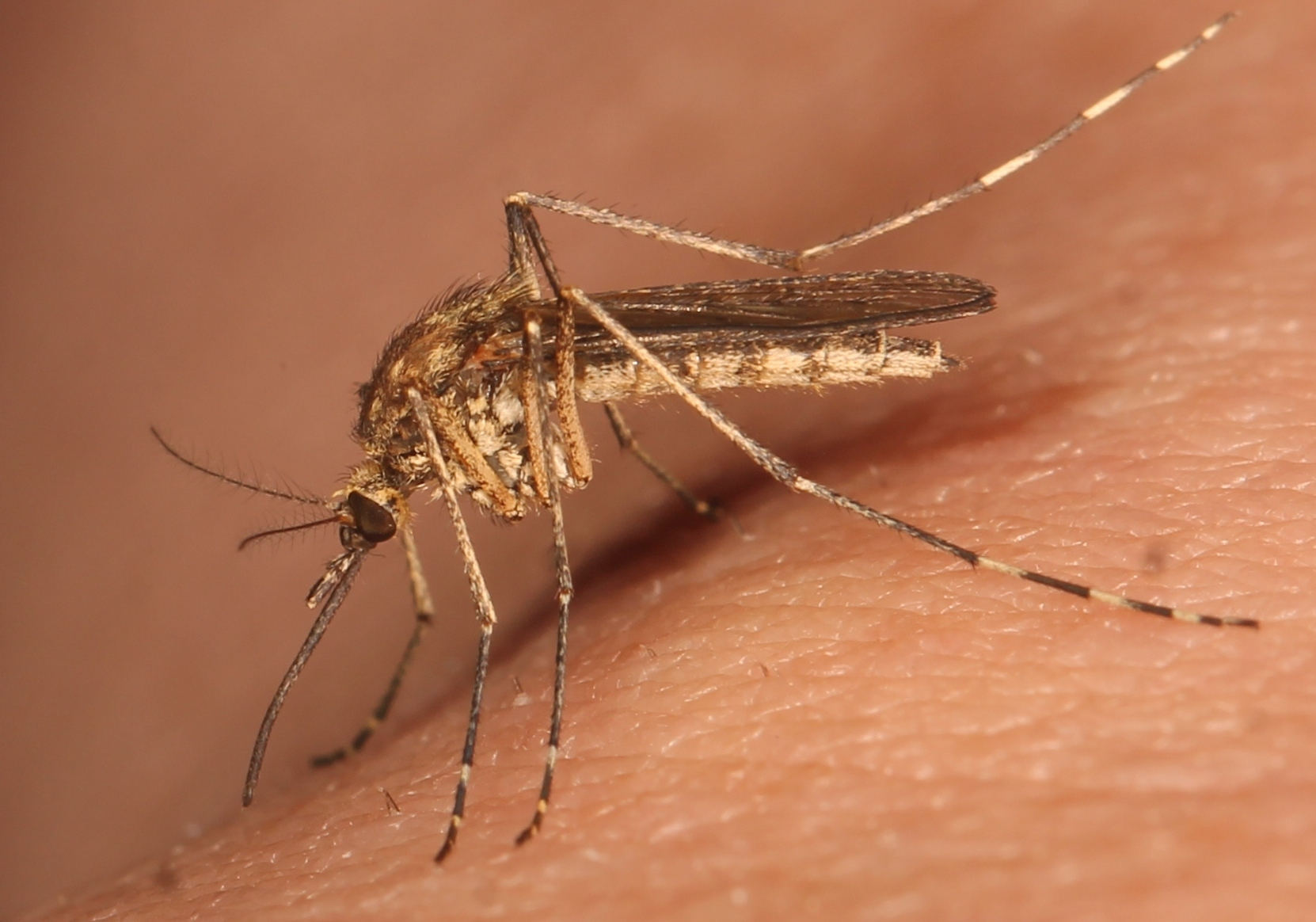
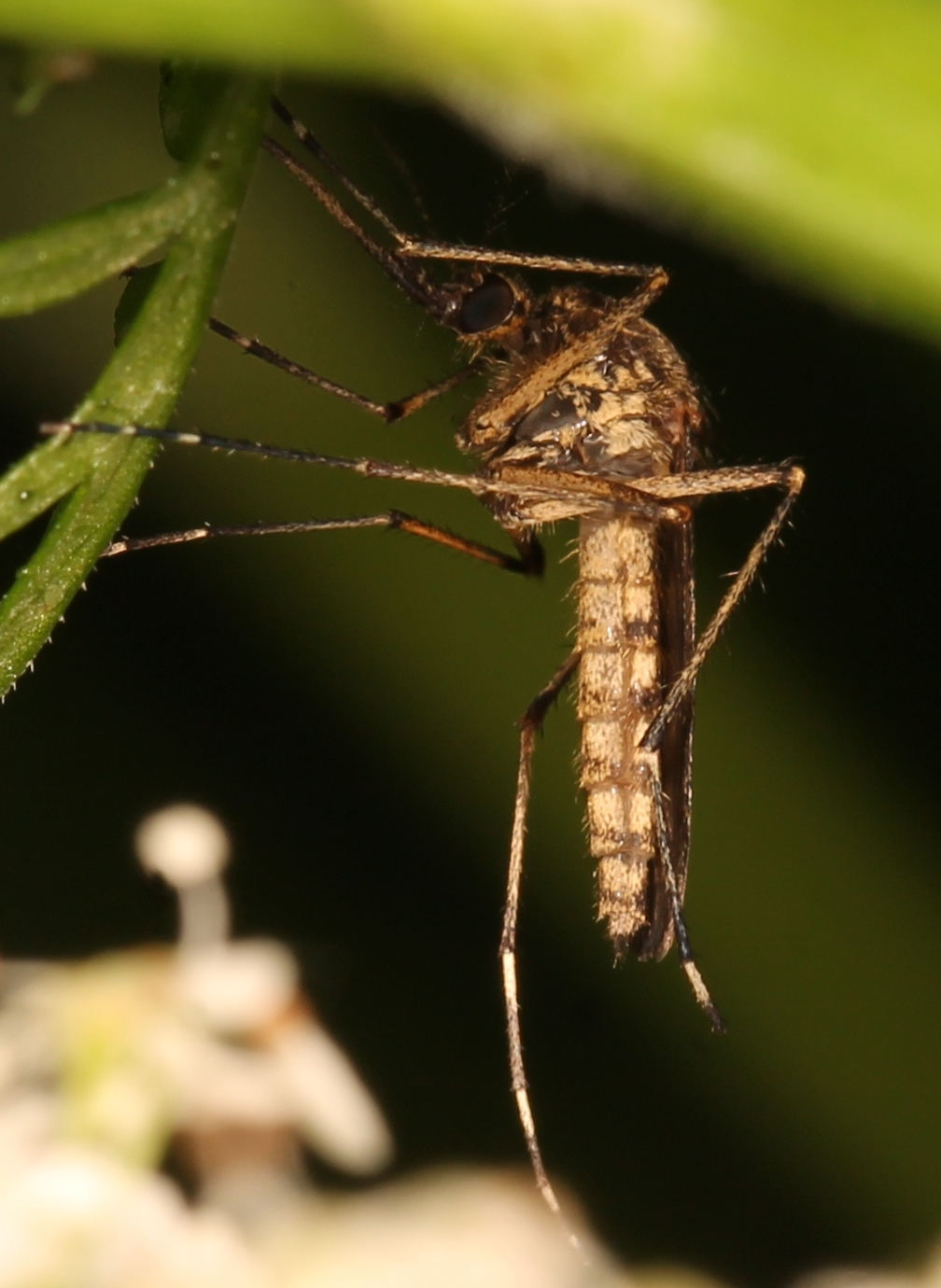
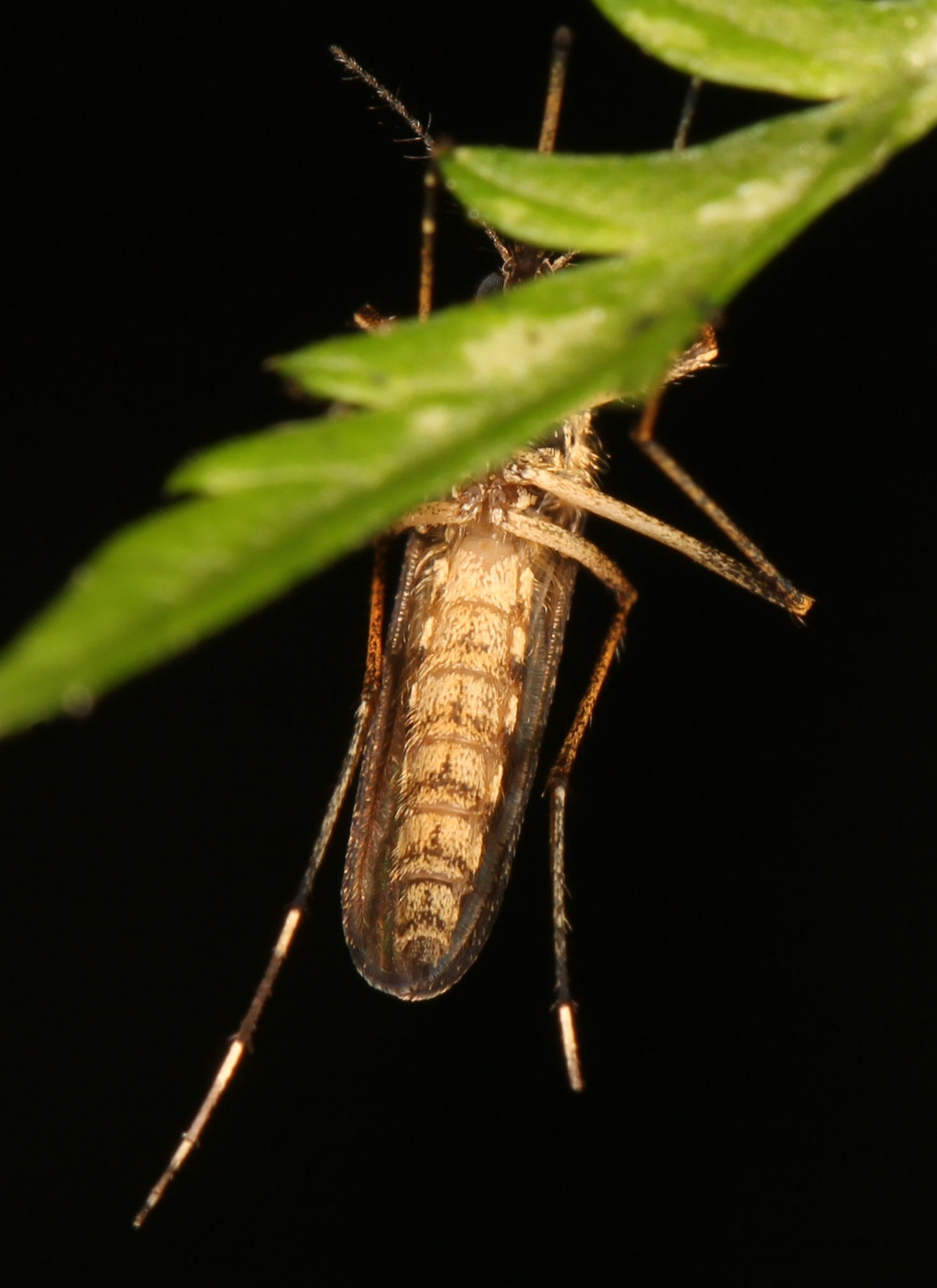
Culicidae, Ochlerotatus 2 ?
Renko
#1 Print Post
Posted on 26-06-2021 12:23
Member

Location: North of France
Posts: 2389
Joined: 08.10.13

Hello,

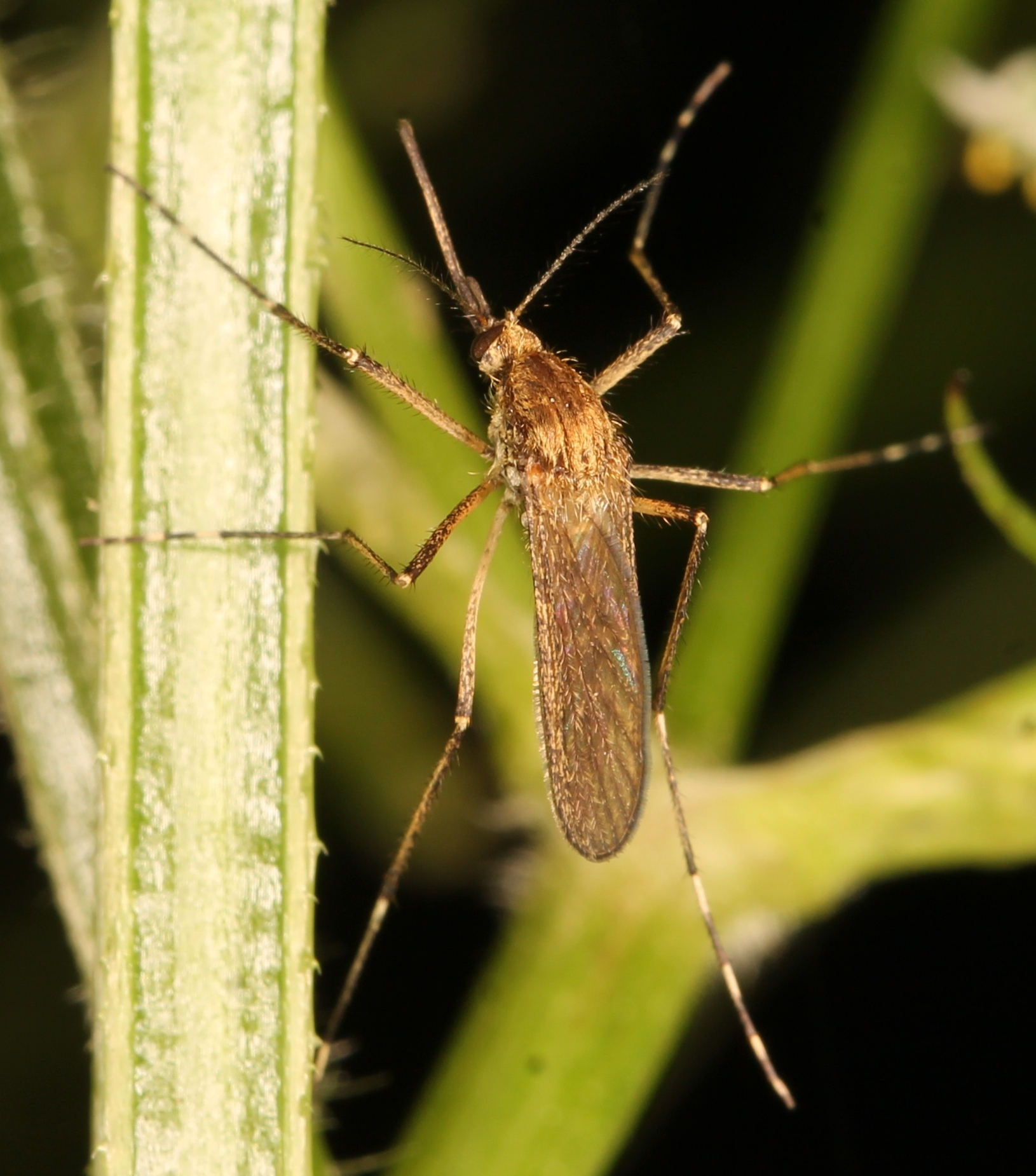
A Culicidae found in North of France, at Zuydcoote, the 06 June 2021, in early morning, in a densely vegetated area, on slighlty sandy soil
Maybe also an Ochlerotatus near annulipes ?
Renko attached the following image:

[272.3Kb]
 
Renko
#2 Print Post
Posted on 26-06-2021 12:23
Member

Location: North of France
Posts: 2389
Joined: 08.10.13

2nd picture
Renko attached the following image:

[251.22Kb]
 
Renko
#3 Print Post
Posted on 26-06-2021 12:24
Member

Location: North of France
Posts: 2389
Joined: 08.10.13

3rd picture
Renko attached the following image:

[161.7Kb]
 
Renko
#4 Print Post
Posted on 26-06-2021 12:24
Member

Location: North of France
Posts: 2389
Joined: 08.10.13

4th picture
Renko attached the following image:

[121.08Kb]
 
Renko
#5 Print Post
Posted on 26-06-2021 12:25
Member

Location: North of France
Posts: 2389
Joined: 08.10.13

last picture
Renko attached the following image:

[185.01Kb]
 
Tony Irwin
#6 Print Post
Posted on 26-06-2021 12:55
User Avatar

Member

Location: Norwich, England
Posts: 7327
Joined: 19.11.04

I'd agree - Oc. annulipes group. I find separating annulipes and cantans very tricky.
Tony
----------
Tony Irwin
 
Renko
#7 Print Post
Posted on 26-06-2021 13:02
Member

Location: North of France
Posts: 2389
Joined: 08.10.13

Thanks you very much, Tony ! Smile

I wonder what are the key caracteritics for separating these two species (if there are any)
 
Tony Irwin
#8 Print Post
Posted on 26-06-2021 15:22
User Avatar

Member

Location: Norwich, England
Posts: 7327
Joined: 19.11.04

The usual characters are the colour of the pale scales (yellowish or whitish) and the length of the pale band on the hind metatarsus (1/3 or 1/2 - I regularly measure 5/12!).
Other characters are difficult to see in photos, and with specimens, they need to be in good condition. The males are more easily separated using genitalia characters.
Tony
----------
Tony Irwin
 
brundlefly
#9 Print Post
Posted on 09-05-2022 12:56
Member

Location:
Posts: 154
Joined: 19.11.08

The scutal pattern looks good for Aedes excrucians. To positively ID that species you need a closeup of the claws though...
______________________________________________

My photos on Flickr:
http://www.flickr...ugbolaget/
 
Jump to Forum:
Similar Threads
Thread Forum Replies Last Post
Culicidae -> Aedes cf diantaeus Diptera (adults) 4 02-12-2025 20:52
Culicidae -> Aedes cinereus Diptera (adults) 4 02-12-2025 20:48
Culicidae -> Culex pipiens/torrentium Diptera (adults) 4 02-12-2025 20:47
Culicidae -> Aedes cantans/excrucians/euedes Diptera (adults) 4 02-12-2025 20:45
Culicidae -> Aedes annulipes/cantans Diptera (adults) 4 02-12-2025 20:37
Date and time
27 December 2025 01:20
Login
Username

Password


Not a member yet?
Click here to register.

Forgotten your password?
Request a new one here.
Temporary email?
Due to fact this site has functionality making use of your email address, any registration using a temporary email address will be rejected.

Paul
Donate
Please, help to make
Diptera.info
possible and enable
further improvements!
Latest Articles
Syrph the Net
Those who want to have access to the Syrph the Net database need to sign the
License Agreement -
Click to Download


Public files of Syrph the Net can be downloaded HERE

Last updated: 25.08.2011
Shoutbox
You must login to post a message.

06.12.25 21:37
He last posted here in April, identifying some Chloropidae.

04.12.25 20:02
Dr Michael von Tschirnhaus, a leading expert on Chloropidae and Agromyzidae, died on 16 September 2025 at the age of 86. He will be greatly missed by the international community. R.I.P.

03.12.25 12:46
Anyone has the scan of "Harkness, R. D.; Ismay, J. W. 1976: A new species of Trachysiphonella (Dipt., Chloropidae) from Greece, associated with an ant Cataglyphis bicolor (F.) (Hym., Formicidae)

01.12.25 22:29
I will try to fix the messages this month. We have to make some other configuration changes before software goes out of support at end of year.

29.11.25 21:57
I would prefer not to receive any more messages from diptera.info signed by Paul... (Thread reply notification)... Could they be signed by ‘The diptera.info team’?

19.11.25 12:31
It is with deepest sadness in my heart that I announce that on Saturday, November 15, one of the great minds of world dipterology, prof. Rudolf Rozkošny, left us forever. Please remember him with a

15.08.25 10:15
For those specialists not active on Facebook, I just ask to consider to join our group on FB. Please, be aware that it is not necessary at all to be active on FB outside the diptera group. Actually, n

15.08.25 10:13
We received requests to get permission to ask for ID in our Facebook group, https://www.facebo
ok.com/groups/1798
95332035235/ Until now we pointed to diptera.info, but since Paul's passing we not

23.06.25 18:10
If you have some spare money, there is a copy (together with keys to pupae and larvae) for sale by Hermann L. Strack, Loguivy Plougras, France

23.06.25 11:18
Appreciate it, Tony Irwin! I got the hint to use the key next to Langton and Pinder key for females of Chironomidae. So no specific queries, except the keys... I will keep this on my list and hope th

Render time: 1.06 seconds | 254,334,760 unique visits