

Diptera.info :: Identification queries :: Diptera (adults)
Who is here? 1 guest(s)
 Sphaeroceridae ?
|
|
| Amara |
Posted on 21-12-2011 16:13
|
|
Member Location: Posts: 7 Joined: 21.12.11 |
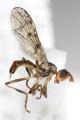
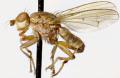
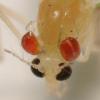
I wonder would it be possible to tell something about the fly on the image like that (sorry). I saw these flies (quite a few) on the trail in a forest-park of Moscow (Russia) on the December 19, 2011. The size of the fly was roughly 4 mm long. They were sitting on the freshly fallen snow, never flying (like winter crane flies that I also saw these) but when approached they rather tried to escape by running on the surface of the snow. Could it be something like Limosina silvatica? Thank you. Amara attached the following image: 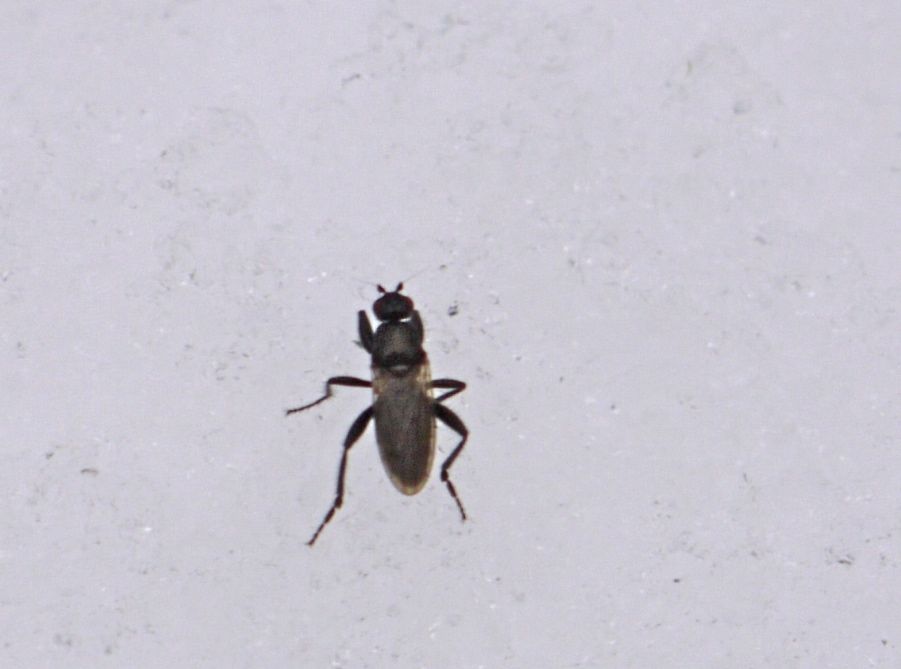 [45.72Kb] Edited by Amara on 21-12-2011 16:15 |
|
|
|
| Paul Beuk |
Posted on 21-12-2011 20:30
|
 Super Administrator Location: Netherlands Posts: 19403 Joined: 11.05.04 |
Yes, Sphaeroceridae, possibly a Crumomyia. One of the species in that genus is C. pedestris, 'the walking Crumomyia'. 
Paul - - - - Paul Beuk on https://diptera.info |
 |
|
| Amara |
Posted on 16-05-2013 06:00
|
|
Member Location: Posts: 7 Joined: 21.12.11 |
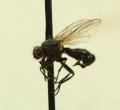
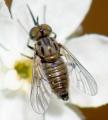
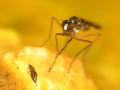
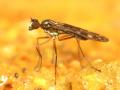
I am back to this thread with the pictures of the same or similar species. This is the most dominant fly here in a Moscow (Russia) park, where they are hovering over any piece of water (streams, small ponds, puddles or even wet soil) mating. Would it be possible to confirm their id? Amara attached the following image: 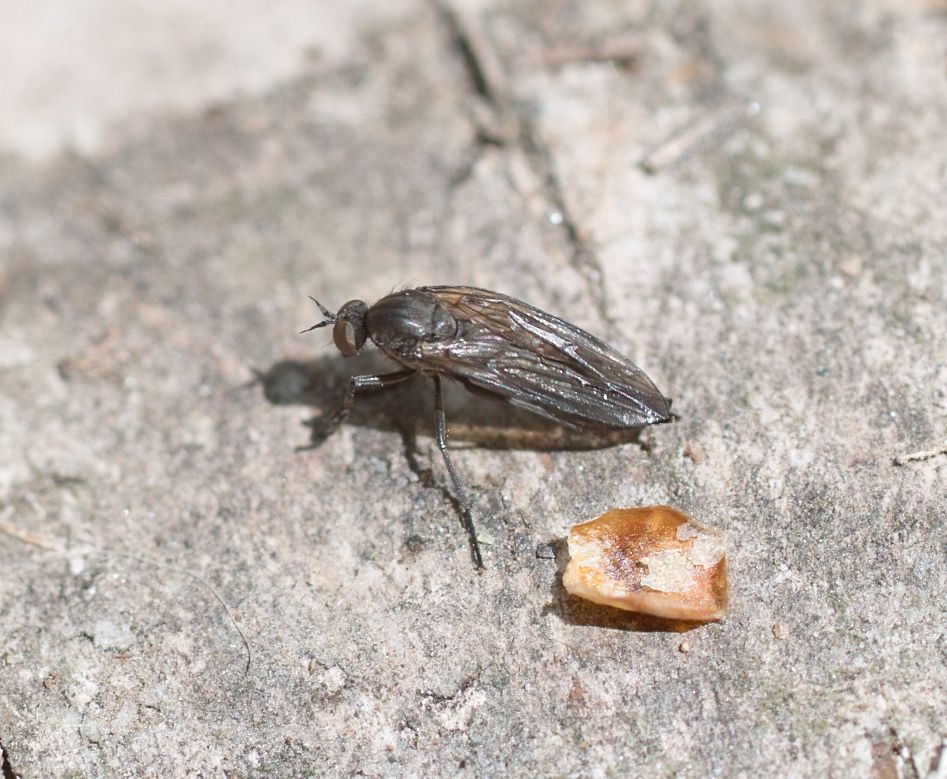 [135.75Kb] Edited by Amara on 16-05-2013 06:06 |
|
|
|
| Amara |
Posted on 16-05-2013 06:05
|
|
Member Location: Posts: 7 Joined: 21.12.11 |
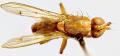
One more picture
Amara attached the following image: 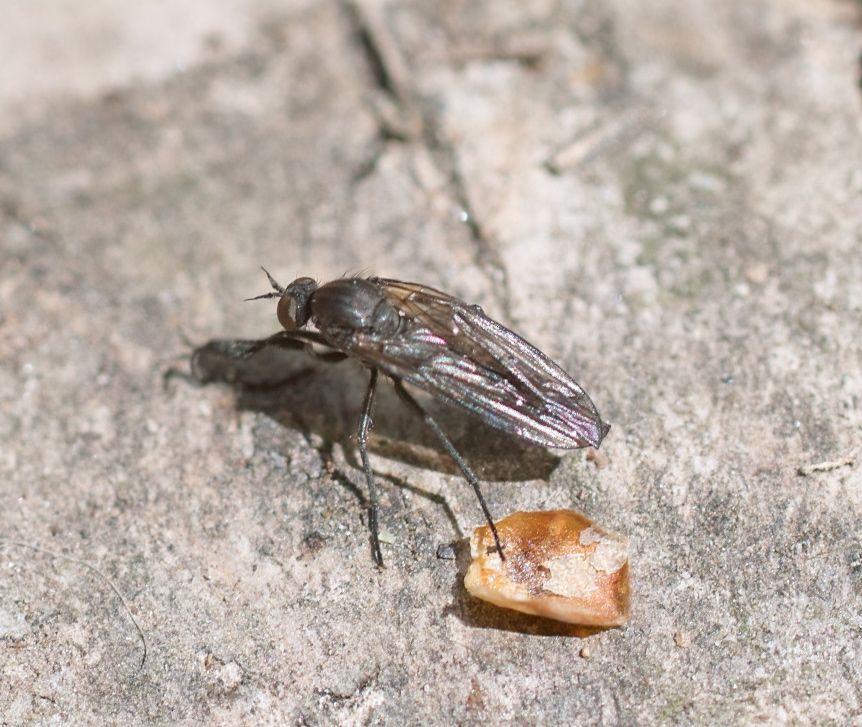 [114.17Kb] Edited by Amara on 16-05-2013 06:07 |
|
|
|
| Amara |
Posted on 16-05-2013 06:07
|
|
Member Location: Posts: 7 Joined: 21.12.11 |
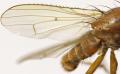
Another one
Amara attached the following image: 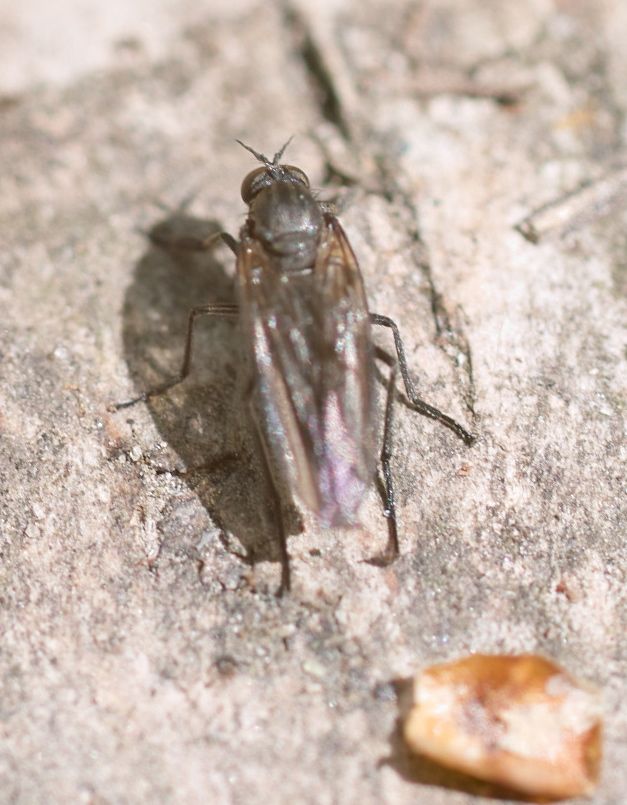 [82.64Kb] |
|
|
|
| Amara |
Posted on 16-05-2013 06:08
|
|
Member Location: Posts: 7 Joined: 21.12.11 |
And the last one
Amara attached the following image: 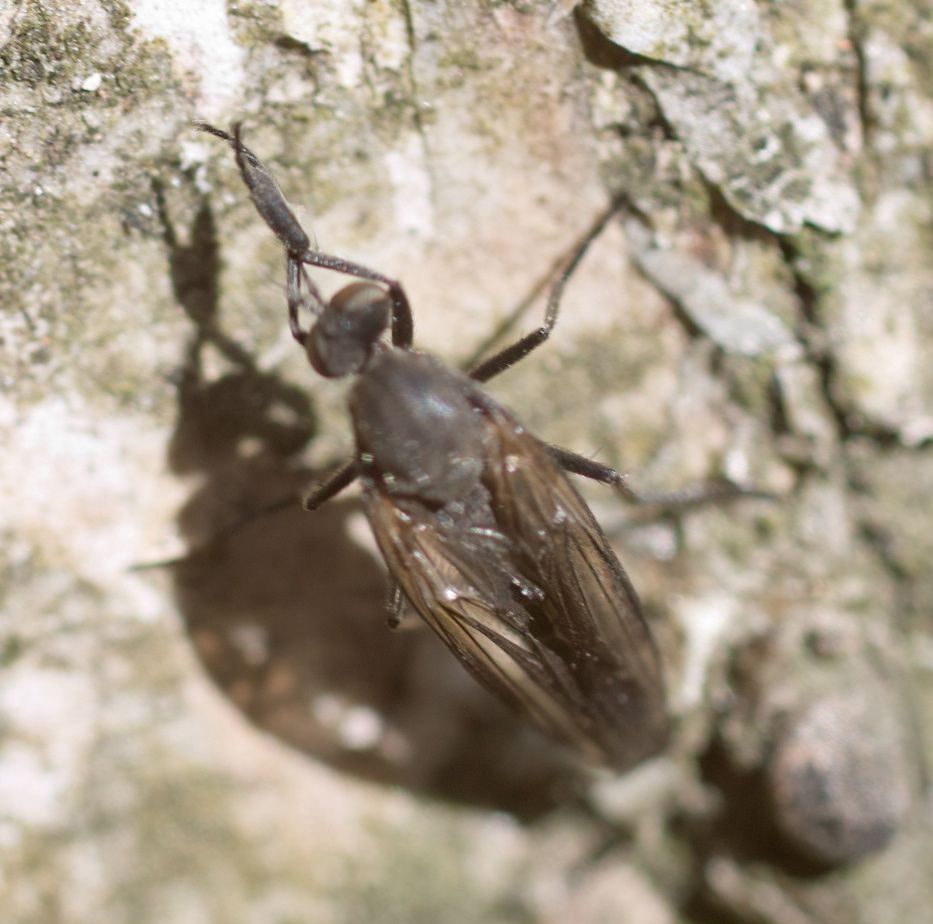 [97.51Kb] |
|
|
|
| John Carr |
Posted on 16-05-2013 12:48
|
 Super Administrator Location: Colorado, USA Posts: 10696 Joined: 22.10.10 |
The new fly is a Hilara and would like to eat your old fly. |
|
|
|
| Amara |
Posted on 16-05-2013 15:35
|
|
Member Location: Posts: 7 Joined: 21.12.11 |
John Carr wrote: The new fly is a Hilara and would like to eat your old fly. Thank you John. I never knew that Sphaeroceridae can be so conspicuous and abundant. |
|
|
|
| jorgemotalmeida |
Posted on 16-05-2013 16:16
|
 Member Location: Viseu - PORTUGAL Posts: 9296 Joined: 05.06.06 |
Hilara is an Empididae fly. It does not belong to the Sphaeroceridae family.
Edited by jorgemotalmeida on 16-05-2013 16:16 |
|
|
|
| Amara |
Posted on 16-05-2013 18:00
|
|
Member Location: Posts: 7 Joined: 21.12.11 |
jorgemotalmeida wrote: Hilara is an Empididae fly. It does not belong to the Sphaeroceridae family. Thanks a lot. Now I know. |
|
|
|
| Jump to Forum: |